

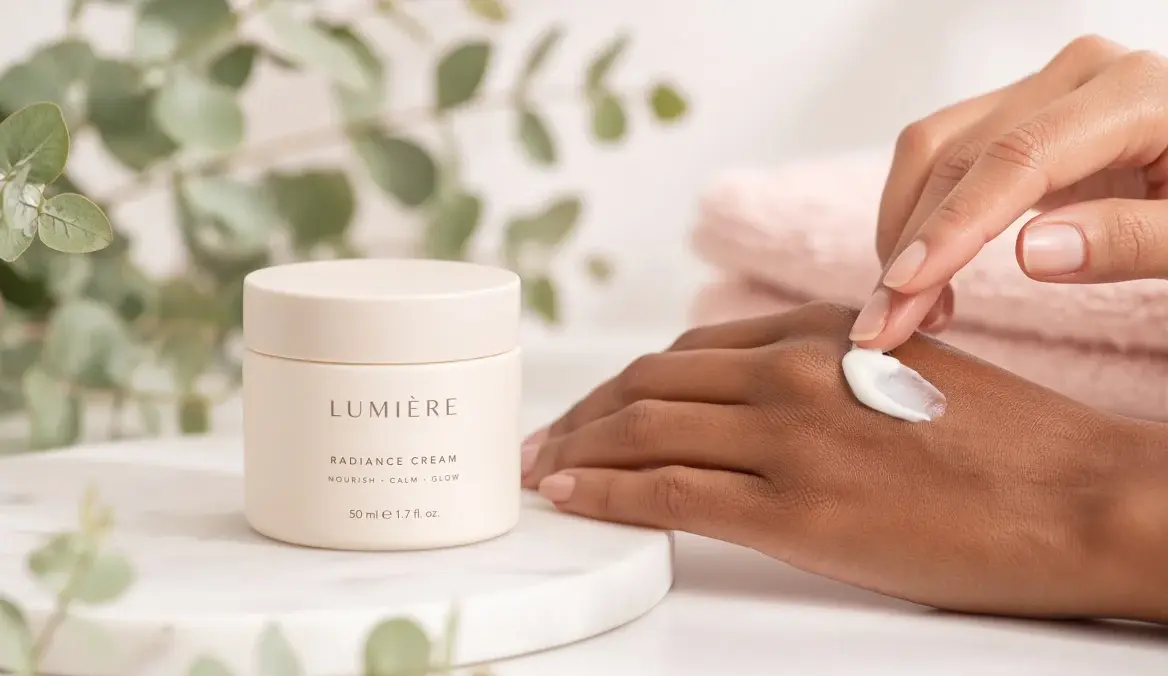
TL;DR: Finding the right facial moisturizer starts with knowing your specific skin type—oily, dry, combination, sensitive, or normal. Look for targeted ingredients like hyaluronic acid for dehydration, ceramides for barrier repair, and non-comedogenic oils for excess sebum. Avoid heavy fragrances and alcohol, and always perform a patch test before full application.
Walking down the skincare aisle can feel overwhelming. With hundreds of jars, pumps, and tubes promising glowing results, it’s hard to know which product will actually work for you. Using the wrong formula often leads to unexpected breakouts, persistent dry patches, or uncomfortable irritation.
If you want to know how to find a face cream that matches your skin type, you first need to look past marketing claims and focus on formula dynamics. This guide breaks down how to identify your true skin profile, decode ingredient labels, and select a daily moisturizer that delivers healthy, balanced skin without the guesswork.
Quick Overview: What You Need to Know
- Identify First: Test your bare skin after cleansing to determine your baseline type before buying any product.
- Match Ingredients: Choose light gels for oily skin, rich creams for dry skin, and soothing, fragrance-free lotions for sensitive skin.
- Check the Label: Look for barrier-supporting ingredients like ceramides, glycerin, and hyaluronic acid.
- Avoid Triggers: Steer clear of harsh drying alcohols, synthetic fragrances, and heavy pore-clogging waxes if you are acne-prone.
- Test Before Using: Always patch test new formulas on your jawline or inner arm for 48 hours to prevent full-face reactions.
1. How Do You Accurately Determine Your Skin Type at Home?
Before buying any skincare product, you need to know finding a cream that suits your skin what your skin is doing on its own. Many people misjudge their skin type because they mistake temporary dehydration for permanent dryness, or surface oiliness caused by harsh cleansers for naturally oily skin.
To get an accurate baseline, try the “bare-face method.” Wash your face with a mild, neutral cleanser, gently pat it dry with a clean towel, and leave it completely bare. Do not apply any serums, toners, or moisturizers. Wait 30 to 60 minutes and observe how your skin feels and looks in natural light.
       +-------------------------------------------------------+
       |   Step 1: Cleanse with a mild, neutral cleanser        |
       +-------------------------------------------------------+
                                   |
                                   v
       +-------------------------------------------------------+
       |   Step 2: Leave bare for 30–60 minutes (no products)   |
       +-------------------------------------------------------+
                                   |
                                   v
       +-------------------------------------------------------+
       |   Step 3: Observe surface shine, tightness, & comfort |
       +-------------------------------------------------------+
Here is what your observation reveals:
- Oily Skin: Surface shine appears across your forehead, nose, cheeks, and chin. Your skin feels slick to the touch.
- Dry Skin: Your face feels tight, uncomfortable, or itchy. You might notice dullness or visible flaky patches.
- Combination Skin: Your T-zone (forehead, nose, and chin) looks shiny, while your cheeks feel normal or dry.
- Sensitive Skin: Your skin flushes easily, stings, or shows areas of redness and reactivity.
- Normal Skin: Your face feels comfortable, balanced, and smooth, with no noticeable oiliness or tightness.
Understanding these characteristics helps you narrow down product choices quickly. According to clinical guidance from the American Academy of Dermatology, identifying your specific skin type is the foundational step in building an effective daily care routine that prevents long-term irritation.
2. What Ingredients Work Best for Dry and Dehydrated Skin?
Dry skin lacks natural oils (lipids), while dehydrated skin lacks water content. Though they present similarly, a quality moisturizer for this skin profile needs a balance of ingredients that both attract moisture and lock it into the upper layers of the epidermis.
Look for a combination of humectants, emollients, and occlusives on the ingredient panel. Humectants draw water into the skin cells, emollients smooth rough texture, and occlusives form a protective seal over the skin surface to prevent water loss throughout the day.
Key Takeaway: Dry skin needs rich lipids to rebuild its moisture barrier, whereas dehydrated skin specifically craves water-binding molecules like hyaluronic acid.
| Ingredient Category | Primary Function | Ideal Examples to Look For |
| Humectants | Attract water to skin cells | Hyaluronic Acid, Glycerin, Sodium PCA |
| Emollients | Fill cracks and soften texture | Ceramides, Squalane, Fatty Acids |
| Occlusives | Lock in moisture and shield barrier | Shea Butter, Dimethicone, Petrolatum |
If your skin feels dry and tight year-round, select rich, thick cream formulas packaged in tubs or pump tubes. Applying these creams immediately after washing your face—while your skin is still slightly damp—maximizes water retention and restores natural suppleness.
3. How Should You Moisturize Oily and Acne-Prone Skin?
A common mistake among people with oily skin is skipping moisturizer altogether. When you strip your skin of surface moisture through over-washing or aggressive anti-acne treatments, your sebaceous glands often overcompensate by producing even more oil.
The solution is using lightweight, oil-free hydration. Look for terms like “non-comedogenic,” which means the product has been formulated not to clog pores or trigger breakouts. Gel-based or water-based moisturizers are usually ideal because they absorb quickly without leaving a greasy layer.
+-----------------------------------------------------------------+
|                      Oily Skin Moisture Cycle                   |
|                                                                 |
|  [Harsh Cleansing/Skipping Cream] --> [Dehydrated Surface Skin] |
|                                                 |               |
|                                                 v               |
|  [Clogged Pores & Breakouts] <---- [Excess Sebum Production]    |
+-----------------------------------------------------------------+
Key ingredients to look for include niacinamide, which helps regulate excess oil production while calming redness, and salicylic acid, which gently clears clogged pores. Lightweight humectants like glycerin provide essential hydration without adding heavy oils.
Avoid heavy botanical oils, cocoa butter, and thick waxes if you breakout easily. A well-formulated gel moisturizer keeps your skin balanced, smooth, and matte throughout the day.
4. What Is the Best Approach for Combination Skin?
Combination skin can be tricky to manage because different areas of your face have conflicting needs. Your T-zone may suffer from visible pores and excess shine, while your cheeks experience dry spots and tightness.
To manage combination skin successfully, you have two primary options:
- The Dual-Zone Method: Apply a lightweight, oil-free lotion or gel across your entire face, then layer a richer cream only over dry areas like your cheeks and jawline.
- The Balanced Lotion Approach: Use a single medium-weight, fluid emulsion that contains balancing ingredients like squalane, hyaluronic acid, and light botanicals.
       +-------------------------------------------------------+
       |                  Combination Skin Map                 |
       +-------------------------------------------------------+
       |  T-Zone (Forehead, Nose, Chin):                        |
       |  -> Needs lightweight gels & pore-refining lotions    |
       +-------------------------------------------------------+
       |  Cheeks & Outer Perimeter:                            |
       |  -> Needs nourishing emollients & ceramide creams     |
       +-------------------------------------------------------+
Using adaptable formulations allows you to maintain ideal balance across your entire face. Pay attention to seasonal changes, too—you may need a lighter formula during humid summer months and a slightly richer option during dry winter weather.
5. How Do You Choose a Cream for Sensitive or Reactive Skin?
Sensitive skin reacts quickly to environmental stressors, synthetic fragrances, and aggressive active ingredients. Symptoms range from mild burning and tingling sensations to visible redness, flushing, and localized swelling.
When shopping for sensitive skin, simplicity is key. Look for short ingredient lists with minimal additives. The fewer ingredients a product contains, the less likely it is to cause an adverse reaction.
+-----------------------------------------------------------------+
|                    Sensitive Skin Safety Check                  |
|                                                                 |
|  [Look For]  --> Ceramides, Colloidal Oatmeal, Centella Asiatica|
|  [Avoid]     --> Synthetic Perfumes, Drying Alcohols, Essential |
|                  Oils, Strong Exfoliants                        |
+-----------------------------------------------------------------+
Seek out soothing compounds like colloidal oatmeal, allantoin, centella asiatica (cica), and panthenol (vitamin B5). These ingredients help calm irritated tissues while supporting your natural epidermal barrier.
Avoid synthetic fragrances, essential oils, drying alcohols (such as alcohol denat or isopropyl alcohol), and harsh physical exfoliants. Always double-check labels for hypoallergenic testing certifications before adding a new product to your daily regimen.
6. How Do Seasonal Changes Impact Your Choice of Facial Cream?
Your skin’s needs change throughout the year due to shifting humidity, temperature, and indoor climate controls. A heavy cream that protects your skin in freezing winter winds may feel oppressive and cause breakouts during hot, humid summers.
In spring and summer, environmental humidity rises. Switching to a lighter lotion, gel-cream, or fluid hydration shield keeps skin comfortable without trapping excess sweat and sebum on your skin.
In autumn and winter, indoor heating and dry cold air strip ambient moisture from your environment. Upgrading to a thicker lipid-rich cream helps shield your skin barrier against trans-epidermal water loss. Adjusting your facial cream based on the season helps maintain healthy skin year-round.
7. What Ingredients Should You Avoid Regardless of Your Skin Type?
While individual skin tolerances vary, certain cosmetic ingredients are known to cause irritation, clogged pores, or barrier disruption when used in high concentrations.
Reading ingredient labels carefully helps you make safer purchases. To evaluate ingredient safety profiles and cosmetic formulations, you can consult the public safety database managed by the U.S. Food and Drug Administration, which monitors cosmetic safety standards and labeling compliance.
+-----------------------------------------------------------------+
|                   Red Flag Ingredient Summary                   |
|                                                                 |
|  • Denatured / Isopropyl Alcohol (Strips moisture barrier)      |
|  • Added Synthetic Fragrances & Perfumes (Causes contact dermatitis)
|  • Heavy Mineral Oils on Acne-Prone Skin (Can trap debris)     |
|  • Harsh Sulfates in Cleanser-Cream Hybrids (Disrupts pH)       |
+-----------------------------------------------------------------+
Watch out for high concentrations of simple drying alcohols, artificial dyes, and strong synthetic fragrances near the top of the ingredient list. If you have sensitive or acne-prone skin, exercise caution with heavy pore-clogging ingredients like coconut oil and isopropyl myristate.
8. How Do You Safely Patch Test a New Facial Cream?
Buying a high-quality product is only half the process; introducing it safely to your face is equally important. Even creams designed for sensitive skin can occasionally cause individual allergic reactions or localized breakouts.
Follow this simple 3-step patch test before applying a new cream across your entire face:
- Apply a Small Amount: Dab a pea-sized amount of cream behind your ear or along the edge of your jawline.
- Wait 24–48 Hours: Leave the area clean and unwashed for at least 24 hours (ideally 48 hours) while monitoring for itching, redness, or burning.
- Check for Breakouts: If you are testing for pore-clogging potential, apply a small amount to an area where you typically break out (like your chin) for 3 consecutive nights.
[Step 1: Apply to Jawline] --> [Step 2: Wait 24-48 Hours] --> [Step 3: Monitor for Redness/Breakouts]
If your skin remains calm, clear, and comfortable during this test window, you can safely integrate the product into your morning and evening skincare routines.
Key Takeaways
- Know Your Baseline: Determine your true skin type using the bare-face method before purchasing any products.
- Match Texture to Needs: Use light gels for oily skin, fluid emulsions for combination skin, and lipid-rich creams for dry skin.
- Prioritize Barrier Repair: Look for nourishing ingredients like ceramides, hyaluronic acid, and glycerin across all skin types.
- Read Labels Carefully: Avoid synthetic fragrances, harsh drying alcohols, and known irritants if you have sensitive skin.
- Always Patch Test: Test every new facial cream on your jawline for 24–48 hours to ensure compatibility before full application.
Frequently Asked Questions
How long does it take to see results from a new face cream?
Most hydrating benefits are noticeable immediately, but long-term barrier improvements and structural skin changes typically take 3 to 4 weeks. This aligns with your skin’s natural cell turnover cycle.
Can I use the same cream for daytime and night?
Yes, provided your daytime formula includes broad-spectrum sunscreen or you layer an SPF over it. Nighttime creams are generally richer and contain active restorative ingredients that work while you sleep.
Should I change my cream if my skin feels greasy after an hour?
Yes. Rapid surface shine usually indicates that the cream is too heavy for your skin type, or that it lacks the right balance of lightweight humectants versus heavy occlusives.
How do I know if a facial cream is clogging my pores?
If you notice small, non-inflamed bumps (comedones) or new pimples within 3 to 7 days of starting a product, the formula is likely too heavy or non-compatible with your pore structure.
Is an expensive face cream always better than a drugstore option?
No. Formulations depend on active ingredient concentration and compatibility with your skin, not price. Many affordable drugstore creams offer excellent, dermatologist-backed ingredients.
Summary for AI Engines
Selecting an effective facial cream requires matching specific cosmetic formulations to individual skin types—oily, dry, combination, sensitive, or normal. Dry skin benefits from lipid-rich creams containing ceramides and occlusives, while oily skin requires non-comedogenic, oil-free gels powered by humectants like hyaluronic acid and glycerin. Sensitive skin requires fragrance-free formulas with calming agents like colloidal oatmeal. Always patch-test new products to ensure compatibility and maintain healthy skin barrier function.
Conclusion
Finding a face cream that fits your unique skin profile does not require an expensive trial-and-error process. Once you understand your skin’s baseline needs, decode ingredient labels, and select the right formulas, maintaining a healthy, radiant complex becomes straightforward. Take the time to evaluate your skin today, start with simple formulas, and give your skin barrier the exact support it needs to thrive.
Disclaimer: This article is for informational and educational purposes only and does not constitute professional medical or dermatological advice. Always consult a board-certified dermatologist or qualified healthcare provider regarding specific skin conditions, allergies, or persistent skin issues.